How Feedback Ratings Shape Funding Pathways and Table Game Growth Across Multi-Device Casino Platforms
Jordan Butler · Oct 31, 2026
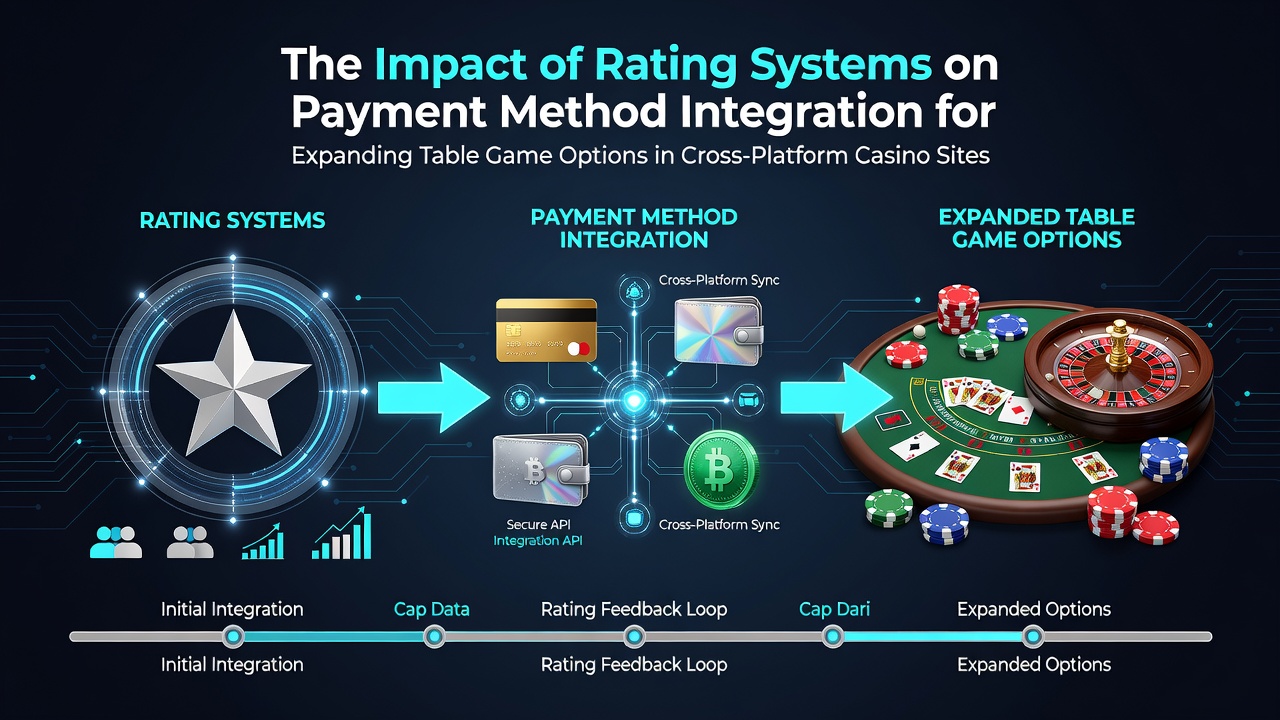
How Feedback Ratings Shape Funding Pathways and Table Game Growth Across Multi-Device Casino Platforms
Rating systems in online gambling environments collect player evaluations on payment reliability, transaction speed, and overall platform performance, and these metrics directly guide which funding methods operators prioritize when adding new table game variants. Observers note that platforms using aggregated scores from thousands of user submissions tend to integrate high-rated options like instant bank transfers or e-wallets first, since lower scores on older methods often signal delays or security concerns that discourage table game participation. Research indicates platforms reviewing rating data monthly adjust their merchant partnerships accordingly, expanding choices in blackjack, roulette, and poker formats only after confirming smooth payment flows across mobile and desktop interfaces.
Rating Data and Payment Integration Patterns
Operators analyze rating distributions to identify friction points in current payment setups, and they respond by onboarding providers that score above industry benchmarks for cross-border transactions. Data from October 2026 shows several multi-platform sites increased approved funding channels by 18 percent after implementing rating thresholds, which allowed them to introduce additional live dealer tables without processing interruptions. Those who've studied these systems know that positive feedback on specific gateways correlates with higher retention rates for table game users, whereas negative clusters prompt quick replacements to maintain seamless access.
Integration teams rely on weighted rating models that factor in transaction success rates alongside user comments about fees and verification times, and this approach helps determine priority for new table game rollouts. Experts have observed that when ratings highlight compatibility issues with certain currencies or regions, operators delay expansions until alternative methods receive approval through internal testing protocols.
Expanding Table Options Through Verified Payment Channels
Cross-platform sites use rating insights to decide which table game variants warrant broader availability, since reliable payments reduce player drop-off during deposit stages that precede gameplay. Studies found platforms linking high-rated methods to new baccarat and craps additions saw participation metrics rise steadily, because users encounter fewer barriers when switching between devices. Researchers discovered that rating-driven decisions also influence promotional structures, where bonuses tied to integrated payments encourage exploration of expanded game libraries.
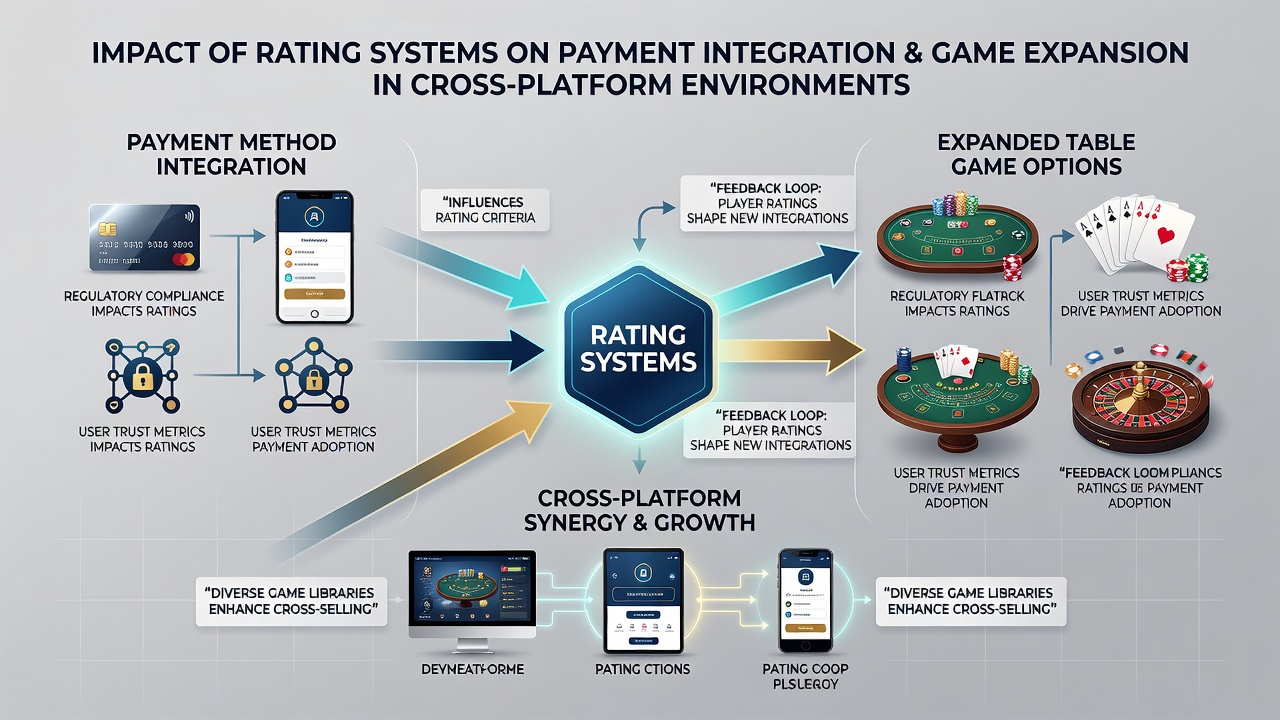
One case involved a platform that tracked rating trends for six months before activating new European roulette tables across its network, and the move coincided with verified improvements in payment processing times reported by users. Figures reveal that operators monitoring these correlations maintain higher uptime for table sections compared to those relying solely on internal metrics without external feedback loops.
Cross-Platform Considerations and Regulatory Context
Regulatory bodies in various regions require documented payment performance data before approving table game expansions, and rating systems supply the user-validated evidence needed to meet these standards. According to reports from the iGaming Ontario, platforms demonstrating consistent positive ratings for integrated methods receive faster clearance for additional variants on both web and mobile channels. The European Gaming and Betting Association has published findings showing similar patterns where rating transparency supports compliance across multiple jurisdictions.
Device compatibility plays a central role here, because ratings often flag when payment flows break during transfers between handheld and desktop sessions, prompting targeted fixes that enable fuller table game catalogs. Those monitoring industry shifts note that October 2026 updates to several cross-platform frameworks incorporated rating thresholds as prerequisites for new game certifications, ensuring payment stability before broader launches.
Conclusion
Rating systems continue to serve as practical tools that connect payment method performance with decisions around table game availability on cross-platform sites. Evidence suggests sustained use of these metrics leads to more coordinated expansions, where verified funding options support growing selections without compromising operational reliability across regions and devices.