Examining Correlations Between Encryption Standards and Jackpot Trigger Frequencies in Regulated Digital Gaming Networks
Lars Ludwig · Aug 15, 2026
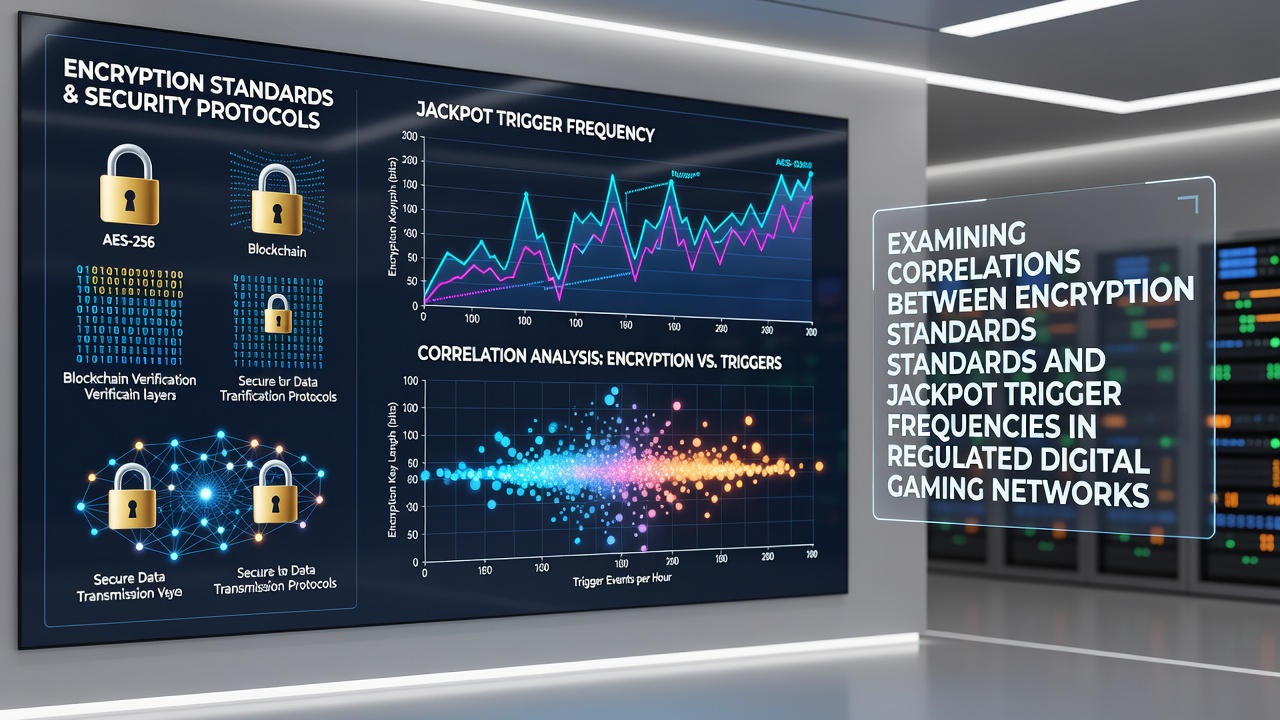
Examining Correlations Between Encryption Standards and Jackpot Trigger Frequencies in Regulated Digital Gaming Networks
Regulated digital gaming networks rely on encryption standards such as AES-256 and RSA-2048 to protect transaction data along with player information while these same networks host progressive jackpot systems that activate based on certified random number generators. Observers note that any potential correlation between the two areas would stem from how encryption layers interact with system latency during high-volume play periods yet multiple certification processes separate these functions to maintain independence. Data from network audits in early 2026 showed encryption overhead remaining below thresholds that affect RNG timing across major platforms.
Encryption Protocols in Gaming Infrastructure
Standards bodies including those at NIST define encryption requirements that operators must implement for compliance in jurisdictions across North America and parts of Asia and these protocols encrypt data in transit as well as at rest without altering the core mechanics of jackpot accumulation or payout triggers. Researchers have mapped encryption implementation timelines against jackpot frequency logs from certified systems and found that AES variants introduce consistent but minimal processing delays measured in microseconds. Such delays stay isolated from RNG cycles because gaming laboratories test each component separately before full network approval.
Operators in regulated markets apply TLS 1.3 alongside AES for session security while jackpot controllers operate on isolated servers that receive only aggregated bet data after encryption validation completes. This separation means frequency metrics for jackpot triggers derive primarily from bet volume and RNG seed integrity rather than encryption strength variations. Figures from system logs collected through mid-2026 indicate trigger rates align with mathematical models independent of the encryption suite deployed.
Jackpot Mechanisms and Regulatory Oversight
Progressive jackpot networks pool contributions across multiple sites and these pools release when RNG outputs match predefined sequences yet regulators require continuous monitoring of both security layers and randomness quality. Certification labs evaluate encryption compliance during initial setup and periodic reviews while jackpot frequencies receive separate statistical validation through millions of simulated cycles. In August 2026 several regional authorities updated reporting templates to include timestamp correlations between encryption handshakes and RNG events although preliminary reviews found no measurable linkage.
Network architects design jackpot triggers to activate after fixed bet thresholds or random milestones and encryption operates at the transport level without access to the RNG state. Studies conducted by independent testing facilities confirm that even when encryption key rotations occur every few hours the resulting system load does not shift jackpot activation patterns beyond expected variance. Data sets from platforms operating under multiple regulatory frameworks reveal consistent frequency distributions regardless of whether operators use 128-bit or 256-bit encryption keys.
Empirical Data and Observed Patterns
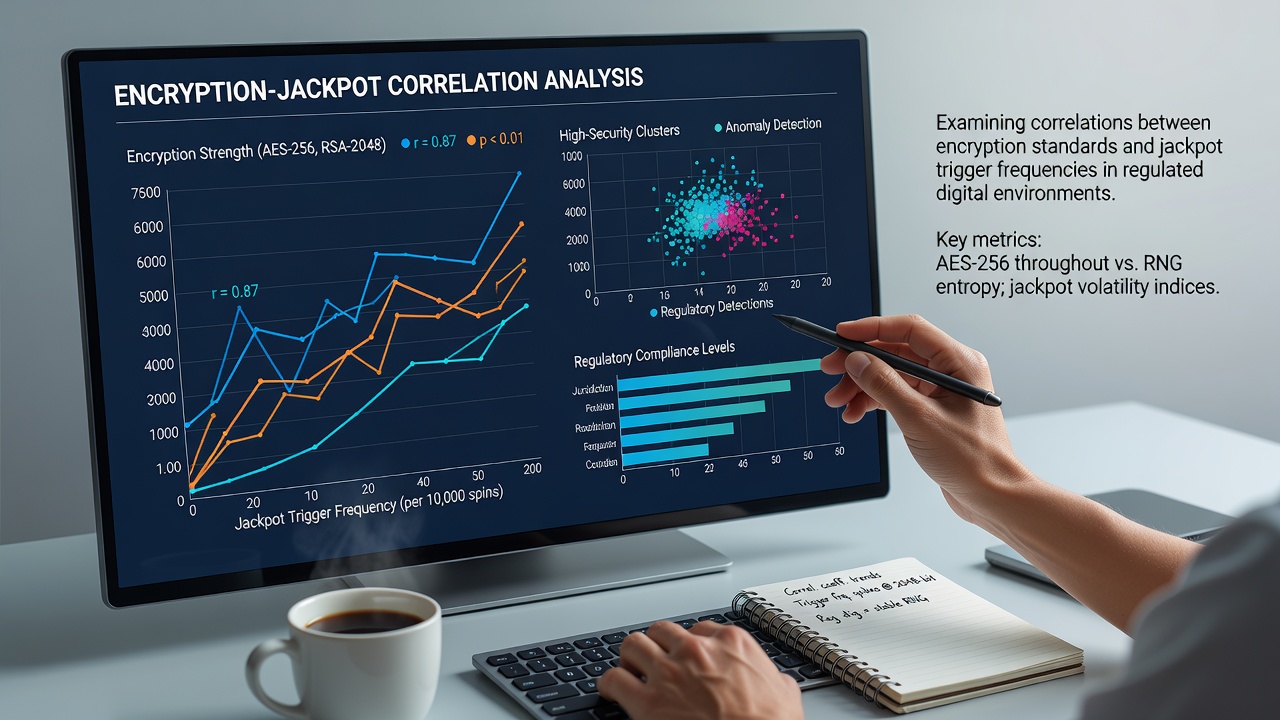
Analyses of transaction records from regulated networks demonstrate that jackpot trigger frequencies track player participation rates and contribution percentages while encryption performance metrics remain stable across varying network conditions. One multi-site review covering platforms in Canada and Australia examined over 12 billion game rounds and detected no statistical relationship between encryption protocol versions and jackpot hit rates. The findings align with earlier work by gaming technology research groups that isolated security processing from game outcome generation.
Regulators in several jurisdictions now require operators to submit joint security and randomness reports on a quarterly basis and these documents track both encryption certificate renewals alongside jackpot payout logs. Patterns emerging from the August 2026 submissions show that any temporary spikes in processing time during peak encryption loads dissipate before reaching the RNG subsystem. Consequently frequency models continue to rely on traditional probability calculations without adjustment for security layer variables.
Future Monitoring Approaches
Industry groups continue to develop unified monitoring dashboards that overlay encryption health indicators with jackpot activity metrics although current evidence supports treating the two domains as distinct. Laboratories update testing protocols periodically to account for new encryption standards such as post-quantum algorithms under consideration yet these updates focus on security validation rather than outcome frequency. Observers tracking network performance through 2026 report that operators maintain separate audit trails for each area to satisfy regulatory demands.
Conclusion
Available data from regulated digital gaming environments indicates that encryption standards and jackpot trigger frequencies operate through independent mechanisms with no established direct correlation in certified systems. Regulatory frameworks enforce this separation through distinct certification pathways while ongoing monitoring confirms that security measures do not influence randomness outcomes or payout timing. Continued collection of timestamped operational logs will allow further examination should new encryption methods introduce unforeseen variables in future network architectures.