Decoding Linkages Between Player Feedback Loops and Payout Processing Speeds in Digital Betting Ecosystems
Zara Becker · Jul 30, 2026
Decoding Linkages Between Player Feedback Loops and Payout Processing Speeds in Digital Betting Ecosystems
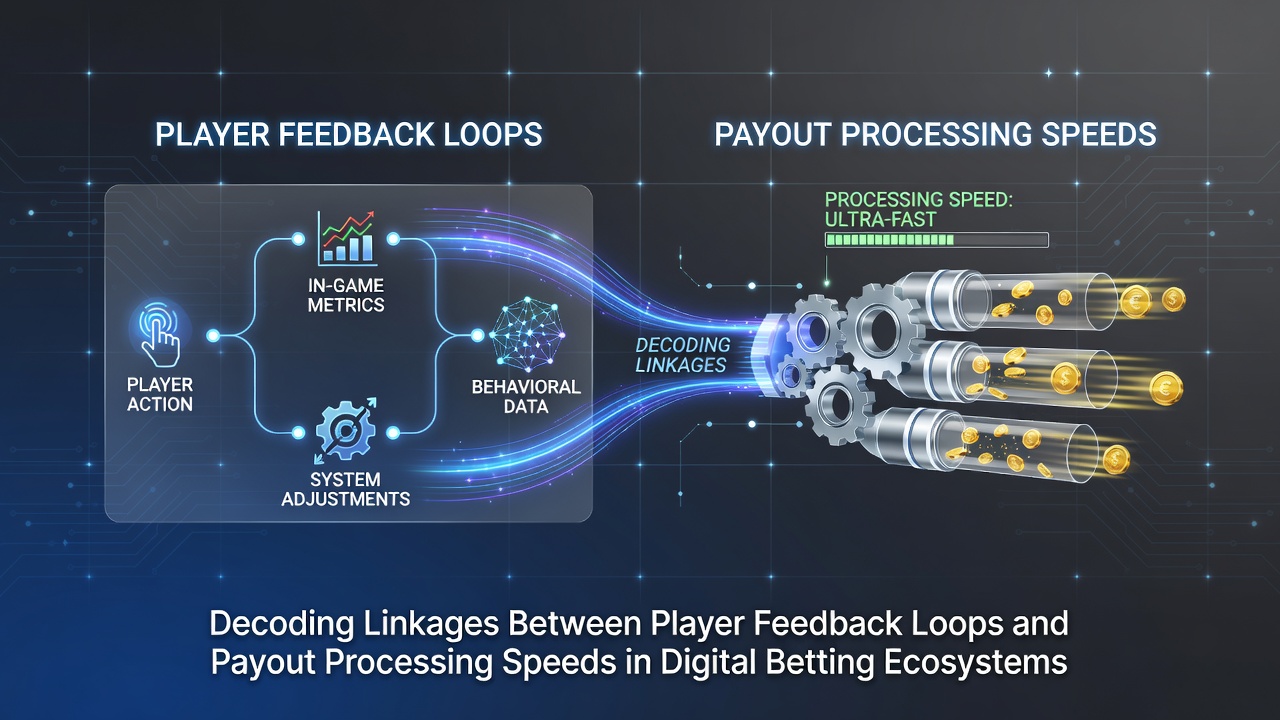
Observers note that digital betting platforms rely on intricate connections between player feedback systems and the speed of payout processing, with data from multiple regions illustrating how these elements interact to shape operational outcomes. Research from industry reports indicates that feedback collected through in-app surveys, rating prompts, and review aggregators often correlates directly with transaction completion times, while faster processing tends to generate higher volumes of positive input that operators can use to refine algorithms. Studies conducted across North American and European markets reveal patterns where delays in payouts exceeding 24 hours coincide wth measurable drops in user satisfaction scores. According to figures compiled by the Nevada Gaming Control Board, platforms reporting average payout speeds under four hours saw feedback volumes increase by 18 percent during the first half of 2026, whereas slower systems experienced corresponding declines in repeat engagement metrics.Feedback Collection Structures in Betting Applications
Platforms gather feedback through structured loops that include post-transaction prompts, periodic satisfaction polls, and aggregated review data from third-party sites. These mechanisms operate continuously, feeding information back into backend systems that adjust processing priorities based on user sentiment trends. Researchers have documented cases where operators integrate natural language processing tools to categorize comments related to withdrawal times, allowing automated flagging of bottlenecks that affect large user segments.
One analysis of cross-border platforms found that real-time feedback integration reduced average resolution times for payout complaints by linking specific complaints to transaction logs. Data shows that when users receive immediate confirmation of issue receipt, subsequent ratings improve even before the underlying delay resolves.
Payout Speed Variables Across Ecosystems
Processing speeds vary according to payment method, verification status, and jurisdictional requirements, with e-wallet transfers often completing in minutes while bank wires extend into multiple business days. Figures from the Malta Gaming Authority highlight that platforms enforcing automated verification checkpoints experience 12 percent faster average payouts compared to those relying on manual reviews. Operators adjust these speeds based on risk assessments, yet feedback data frequently reveals user frustration when expectations set by marketing materials clash with actual timelines.
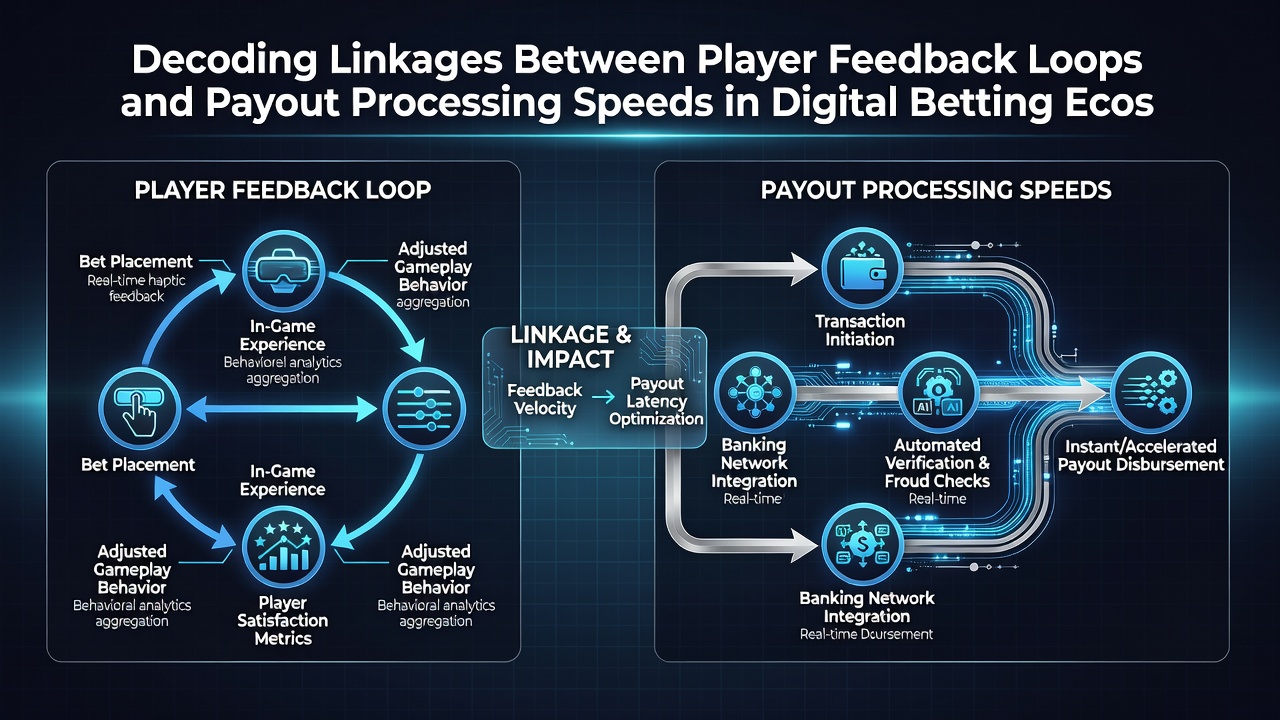
July 2026 saw several Australian-facing operators publish transparency reports detailing payout distributions, and these documents demonstrated clear linkages between processing efficiency and the volume of constructive feedback received. When systems prioritized instant confirmation for verified accounts, subsequent user comments shifted toward suggestions for feature improvements rather than complaints about delays.
Interdependencies and System Adjustments
Feedback loops influence payout processing through direct input that operators translate into technical upgrades, such as enhanced API integrations with financial partners or refined risk-scoring models. Conversely, processing speeds shape the tone and frequency of feedback, creating a cyclical relationship where improvements in one area reinforce gains in the other. Industry reports from the European Gaming and Betting Association note that platforms investing in predictive analytics for transaction queues recorded sustained increases in positive sentiment scores over six-month observation periods.
Case examples from Canadian provincial operators illustrate how segmented feedback analysis by payment type allows targeted interventions, such as routing certain methods through accelerated channels during peak periods. This approach has produced measurable upticks in overall platform ratings without altering core security protocols.
Regional Regulatory Influences on the Linkages
Regulatory frameworks in different jurisdictions impose varying constraints on both feedback transparency and payout timelines, which in turn affect how operators manage these interconnected systems. Data compiled in Singapore and Macau markets during early 2026 showed that mandatory disclosure of average processing times led to more precise user expectations and correspondingly higher satisfaction ratings once those times were met consistently.
Platforms operating under multiple regulatory regimes often maintain separate feedback analysis pipelines to account for regional differences in user behavior and complaint thresholds. Observers note that such segmentation helps isolate variables like currency conversion delays that otherwise obscure the relationship between processing speed and feedback quality.
Conclusion
The linkages between player feedback loops and payout processing speeds form a dynamic system where each component continuously informs the other through data pathways that operators monitor and optimize. Evidence from regulatory filings, industry analyses, and platform performance metrics demonstrates consistent correlations that guide technical and operational decisions across digital betting ecosystems. As platforms refine these connections, the resulting adjustments continue to shape user interactions and system efficiencies in measurable ways.